



- Project Lead: David Peggie,
- Co-Lead: Eugenia Geddes da Filicaia
- Organisation: National Gallery London
- RICHeS Investment Accessed: AHRC Centre for Chemical Characterisation in Heritage Science (C3HS)
Project summary
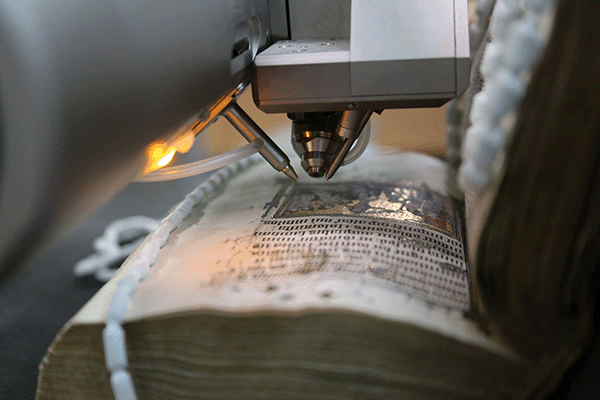
This project will develop a new scientific method for identifying the biological sources of drying oils used in historic paintings. Using compound-specific stable isotope analysis alongside conventional gas chromatography–mass spectrometry, the research will investigate whether linseed, walnut and poppyseed oils can be distinguished more reliably than is possible with current analytical approaches. The method will be tested on reference paint samples and works from the National Gallery’s collection, and its potential to differentiate oil-based paints from egg tempera will also be assessed.
The project aims to provide a significant advance in the scientific analysis of paintings by improving the identification of artists’ materials and techniques. The findings will support research into attribution, artistic practice and the long-term condition of painted objects, while also informing conservation decisions. Beyond the heritage sector, the new analytical approach has the potential to benefit biomolecular and archaeological research where identifying the biological origins of aged organic materials remains a longstanding challenge.