




This case study was enabled by a RICHeS Access Fund Catalyst Award.
“It was great to have the opportunity to finally identify some of the charred plant remains from Durrington Walls that had previously been unidentified. The identification of this material has provided important additional evidence for the range of wild plant foods that are present at the site.”
Ellen Simmons, Independent Archaeobotanist
Identifying charred remains from Durrington Walls
Durrington Walls, located within the Stonehenge World Heritage Site, is one of the most significant late Neolithic settlements in Britain. Despite decades of research into the site, a number of charred plant remains had never been confidently identified, limiting understanding of the foods people consumed and how they used plants in everyday life.
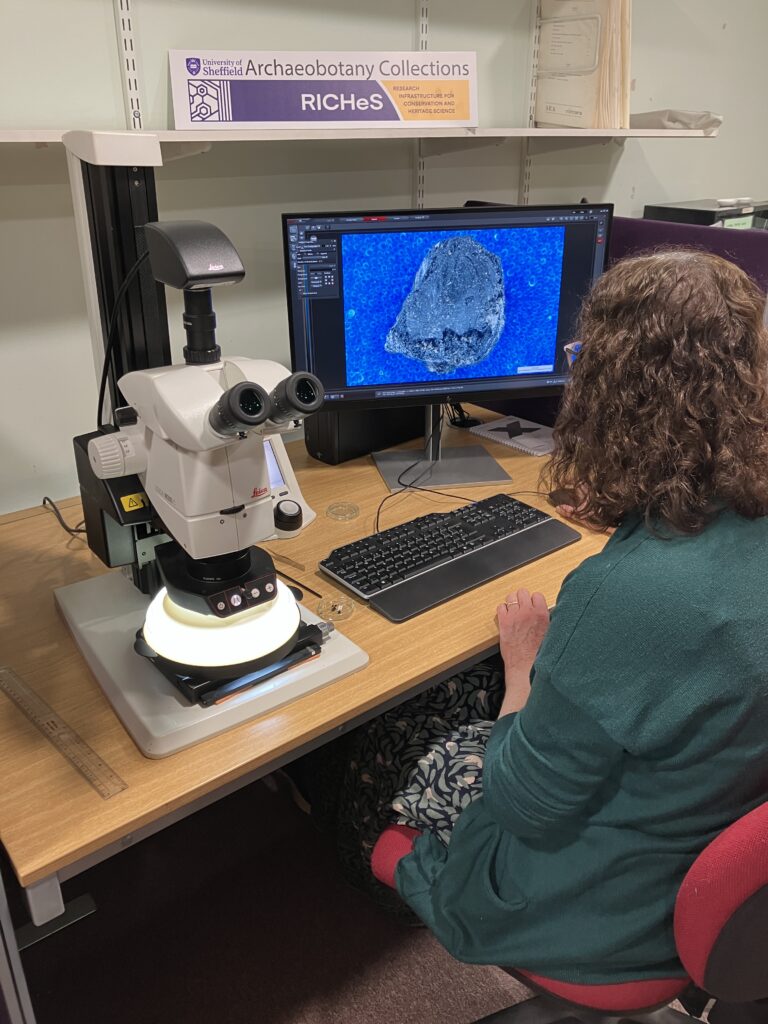
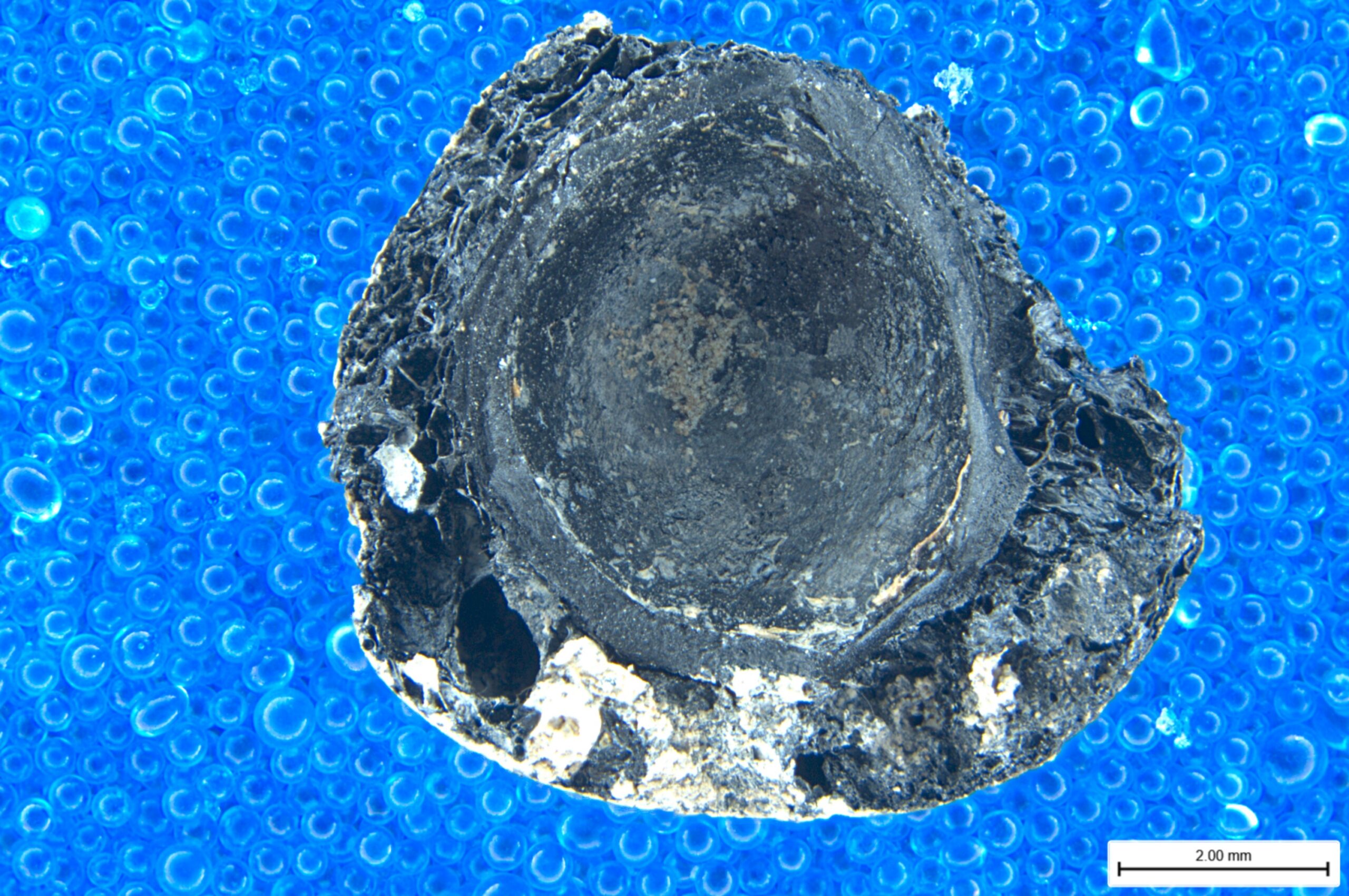
Through the RICHeS Access Fund, freelance archaeobotanist Ellen Simmons, who has worked on researching Durrington Walls for over 20 years, compared remains within SHEFF BIOARCH’s extensive internationally renowned archaeobotanical reference collections and conducted detailed microscopic analysis on previously indeterminate charred plant remains from this 4,500-year-old site.
Advancing knowledge of ancient lives
This research successfully identified that the charred plant remains assemblage from Durrington Walls includes hazelnut kernels, apple fruit flesh and lesser celandine tubers. This evidence has revealed that people had a more varied diet than previously recorded, creating a richer picture of daily life, food preparation and seasonal activities in prehistoric Britain. These findings inform understanding of the past by moving beyond monumental constructions like Stonehenge itself and highlighting the everyday activities that shaped Neolithic communities, offering a more relatable and human picture of this historic site.
The revised archaeobotanical identifications and accompanying high resolution microscope images will support future publications and, through deposition with the Heritage Science Data Service, will enable further researchers to compare their own material, advancing shared knowledge of prehistoric plant remains, lives in the Neolithic period and the Stonehenge World Heritage Site.
Exploring reference collections
Access to SHEFF BIOARCH’s specialist reference collections and imaging facilities made it possible to unlock the evidence within these previously unidentified charred plant remains. Accurate archaeobotanical identification depends on close comparison between archaeological specimens and modern reference materials.
This case study demonstrates the vital role of well-curated reference collections in advancing heritage science and enabling more precise interpretations of the past. It also demonstrates how modern scientific techniques can unlock information from archaeological collections, helping wider audiences understand how scientific investigations contribute to discoveries about past lives.
RICHeS invests in a range of collections, including paint samples, hazardous collections management, and digital infrastructures. These will unlock varied new understandings and efficiencies in heritage science and conservation.