


Organisation: University of York
Principal investigator: Oliver Craig
Investment Overview
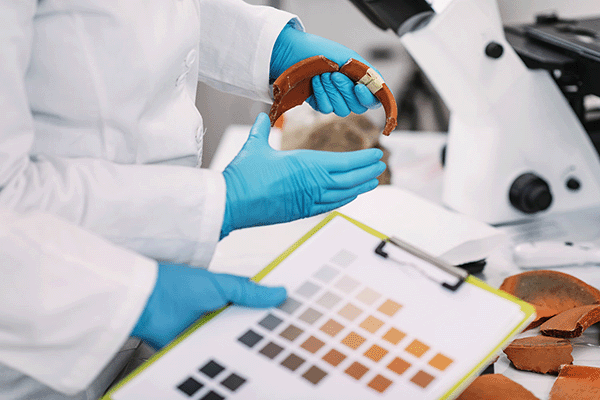
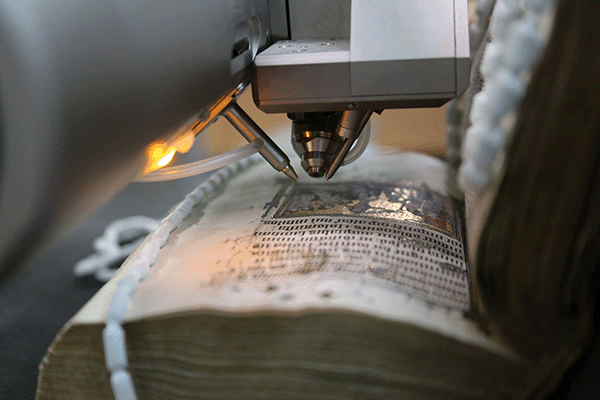
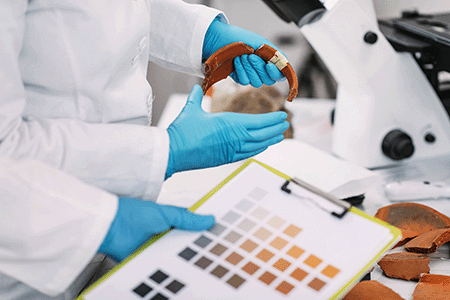
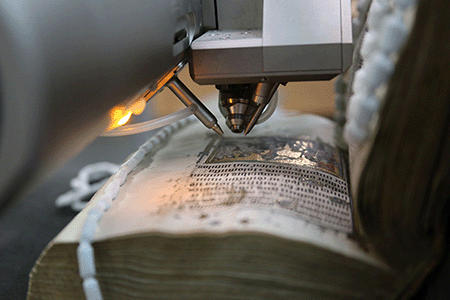
The study of ancient biomolecules has revolutionised the understanding of the past. This facility stands at the forefront of this field, providing access to cutting-edge biomolecular methods in heritage science, including ancient DNA, palaeoproteomics, amino acid racemization analysis, archaeological chemistry, lipidomics and stable isotope analysis. These approaches build on world-leading expertise and facilities within the University of York’s BioArCh centre and can be applied to ancient biomolecular materials such as skeletal tissues, shell, plant remains, sediments and other natural products. Potential applications range from characterisation of organic materials, species identification of osseous remains, geochronology, palaeogenetics and palaeodietary analysis.
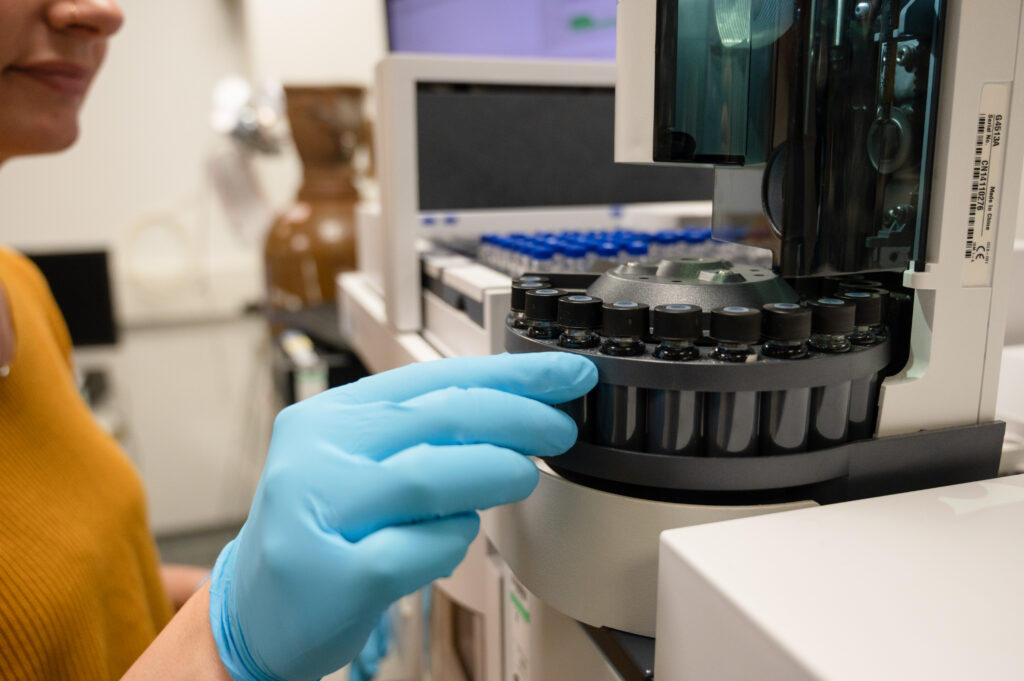
Through RICHeS investment, the BioArCh facility has substantially increased its capacity to support cutting-edge heritage science research. Expansion of the facility, combined with automated liquid handling and integrated sample tracking, data management and reporting systems, has significantly increased throughput, efficiency and reproducibility. The addition of a dedicated clean room facility safeguards ancient samples from modern and environmental contamination, enhancing the reliability of research findings. Together, these enhancements enable larger-scale and more complex analyses of archaeological remains, archival collections and museum specimens, helping to meet growing demand from the heritage science community and accelerating new discoveries about the past.
Explore More
Visit the HSDS Catalogue of Services for information on services available to access.
You can keep up to date with this investment on the BioArCh webpage and Bluesky.