


The Reconstructing the Ancient Past RICHeS-funded investment is now open for access. The new Garstang Research Centre, located at the University of Liverpool’s Garstang Museum, along with the recently launched beta for the Garstang Archaeology Portal, have been developed through investment by RICHeS, and will facilitate and support heritage science research on the distributed archaeological collection of John Garstang.
Connecting dispersed collections
Garstang was a prolific archaeologist, leading excavations along the Egyptian and Sudanese Nile Valley as well as in Türkiye, Syria, and Palestine. His fieldwork was funded through the contemporary system of sponsorship, in which patrons would financially support excavations in exchange for a share of the finds. This resulted in the dispersal of artefacts to over a hundred collections around the world, whose locations are being traced and recorded as part of Reconstructing the Ancient Past, led by the University of Liverpool and National Museums Liverpool.
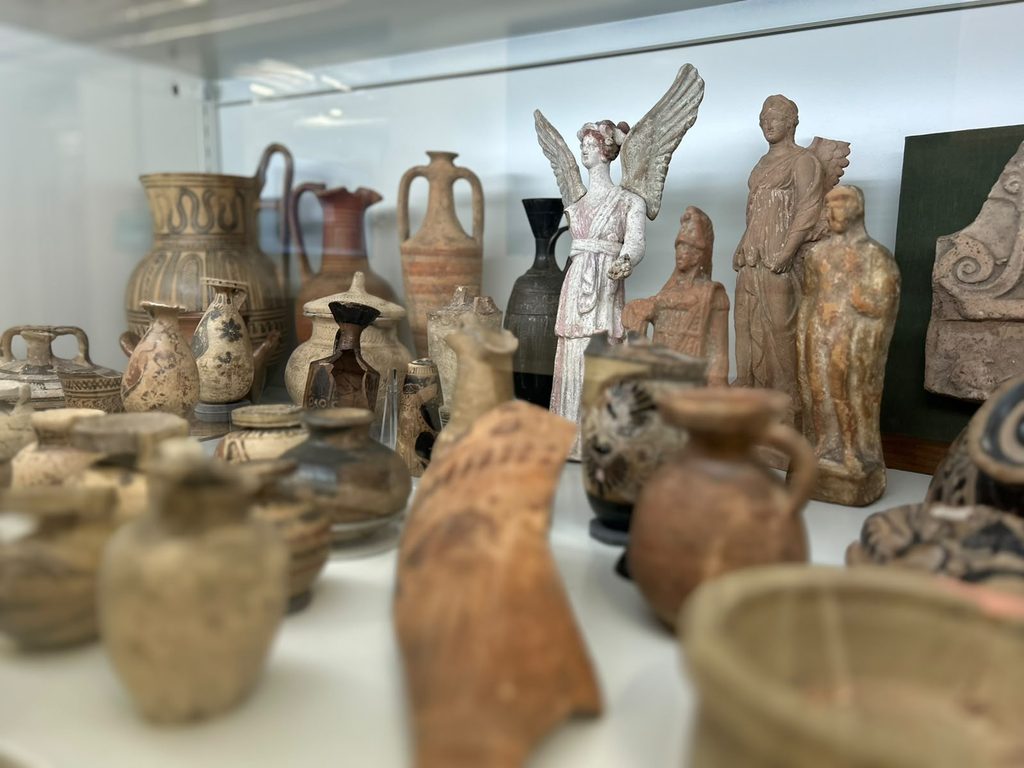
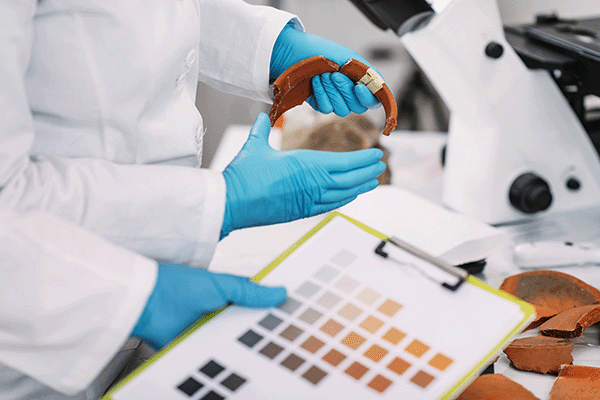
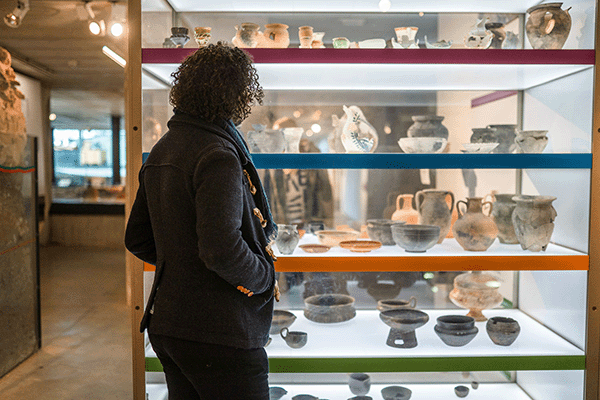
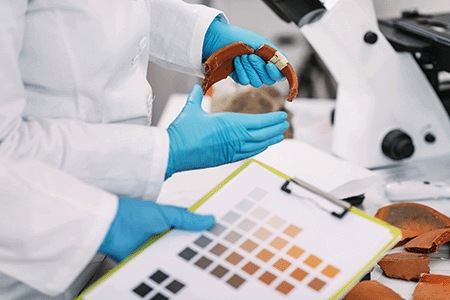
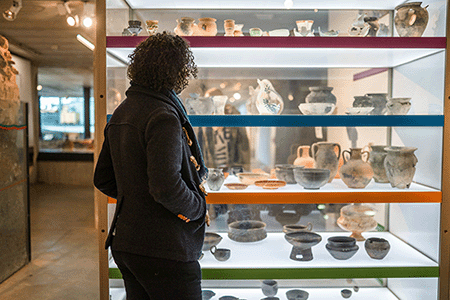
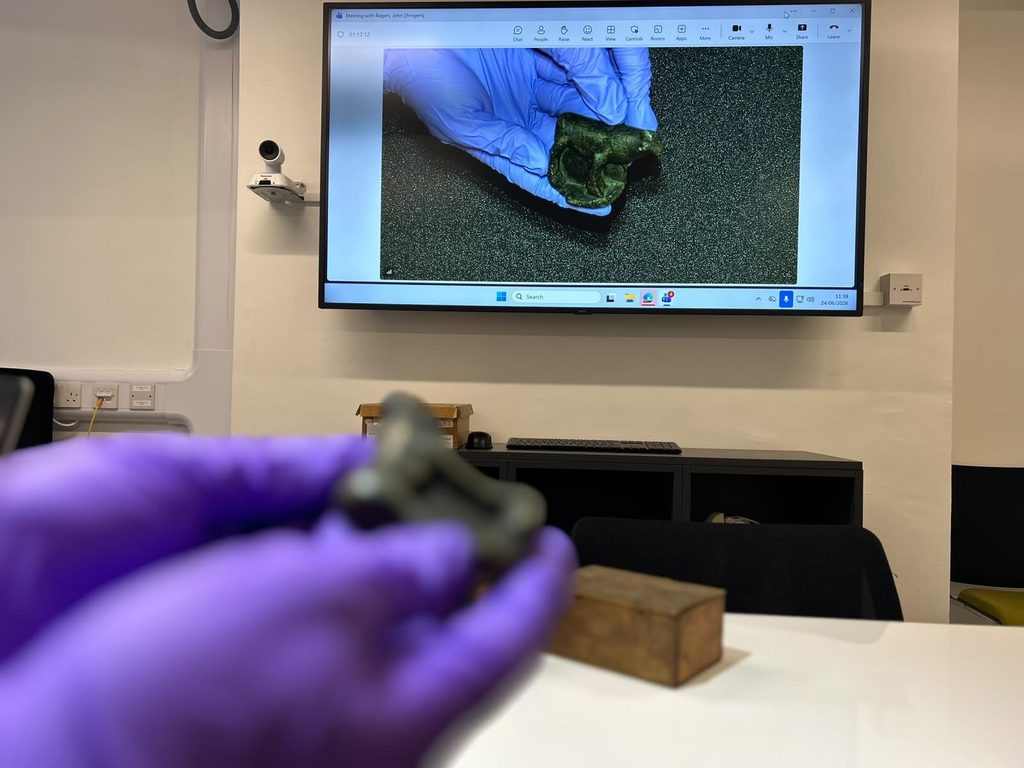
Although the distribution of objects from the Garstang collection is global, major holdings are still located within Liverpool, specifically the Garstang Museum. Researchers looking to work on these objects are able to do so in the newly remodelled space of the Garstang Research Centre within close proximity of the museum collection and the Professor Elizabeth Slater Archaeological Research Labs. Improvements have been made to increase object handling and storage capacity, with additional enhancements made to environmental controls and monitoring to support conservation. With upgraded security systems in place, researchers can also bring their own material in for analysis, which can be stored within the museum facility safely and securely. These enhancements increase the range of research that can be undertaken on the collection, enabling visiting researchers to bring material for comparative analysis and supporting collaboration between institutions.
Alongside expanded physical engagement with the collection, the Garstang Archaeology Portal will enable off-site online access to the collection for long-distance and international researchers. Museums from around the world have already contributed object records and images, resulting in the digital reunification of artefacts that have been separated for more than a century. The team has launched the beta of the Portal, which will in time also include additional resources for further identification and interpretation of these objects. Translation work is also underway to provide a dual language experience, with a mirror site available in Arabic.
Enabling access to the ancient past
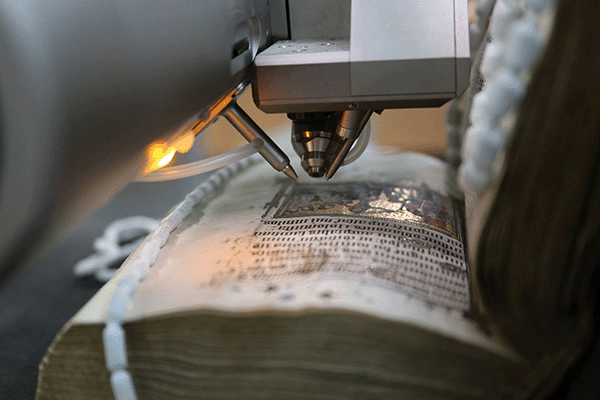
Through the combination of enhanced physical facilities and digital access, the RICHeS investment is creating new opportunities for research on ancient cultures, archaeological practice and collection histories. By connecting previously dispersed evidence, improving access to collections and archives, and enabling international collaboration, the Garstang Research Centre and Archaeology Portal will support new discoveries and help unlock the research potential of thousands of objects held in collections around the world.
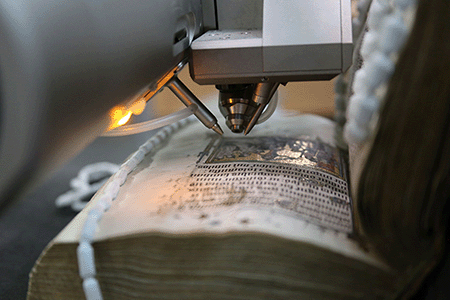
Researchers interested in utilising the Garstang Research Centre for their work can find more information in the Heritage Science and Data Service (HSDS) Catalogue of Services. Access can also be provided to John Garstang’s archive, now held within the University of Liverpool’s Special Collections and Archives, which also includes his extensive collection of glass plate negatives from his travels and excavations. Institutions with objects from Garstang excavations in their collections, or who may suspect they have relevant objects, can also find contact details in the HSDS catalogue to get involved with the Garstang Archaeology Portal.
Carl Graves, Director of the Egypt Exploration Society said:
“Without this project, thousands of artefacts around the world will remain orphaned from their records and their full potential for unlocking the history of the region, as well as the story of archaeological practice there, cannot be achieved. This project has the potential to unlock stories of the colonial structure of early British archaeology in Egypt, as well as class struggles and civic pride in contemporary northwest England.”