







Today, Thursday 5 March 2026, the Heritage Science Data Service (HSDS) announces awards totalling more than £550,000 through its Small Grants Programme, made possible through the investments from RICHeS, a flagship programme for research infrastructure for conservation and heritage science, led by the Arts and Humanities Research Council (AHRC).
A total of 27 projects from across the UK will receive support to strengthen heritage science data, enhance access to vital collections and harness advanced digital technologies to accelerate conservation research and innovation.
The HSDS Small Grants Programme is delivered through two funding streams:
- Enhance access to heritage resources: Enabling and improving access to reference collections and legacy datasets in heritage science and conservation.
- Build Virtual Research Environments (VRE): Offering funded projects the opportunity to work directly with the STFC Hartree Centre’s software engineering and technical teams to design and build tailored Virtual Research Environments (VREs).
Together, these strands reflect the ambitions of the RICHeS programme: to build capacity, unlock high-value datasets and ensure that UK heritage science benefits from world-class digital research infrastructure.
Project highlights
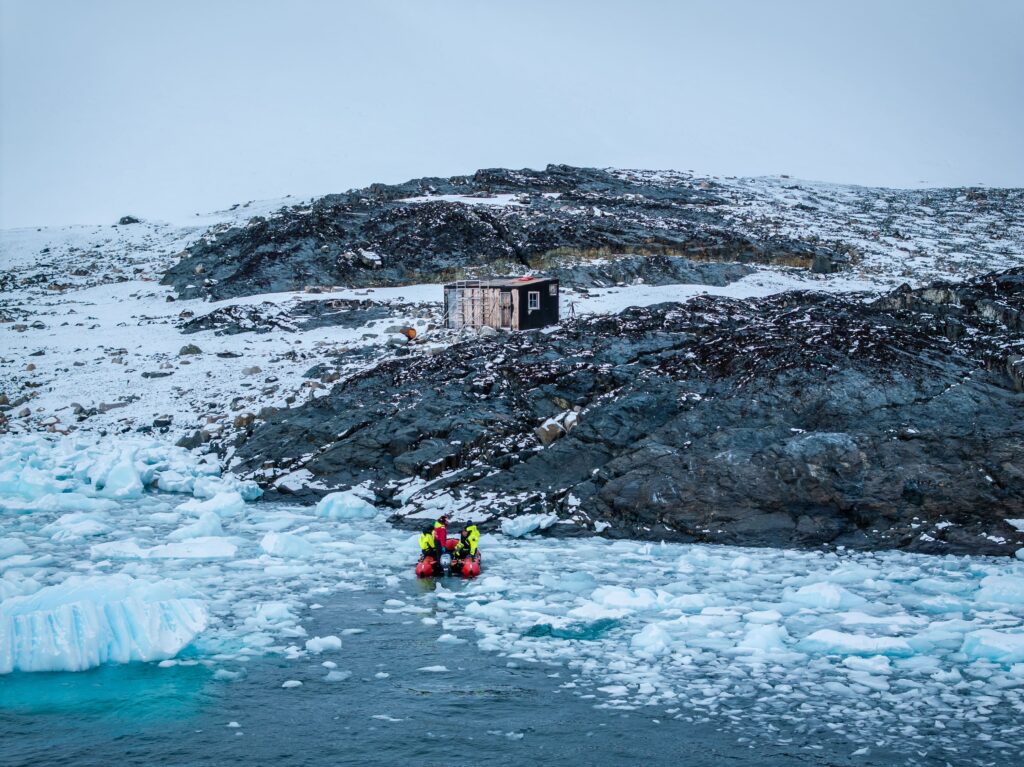
Metadata enhancement of Antarctic Historic Sites and Monuments – UK Antarctic Heritage Trust
The Antarctic is warming at five times the global average and increasing temperatures and precipitation are putting buildings and their artefacts at risk. This project seeks to collate, document and preserve the vast datasets collected at these at-risk heritage sites, to make them into a readable, accessible and valuable research resource.
Creating a catalogue of heritage science data held by the National Galleries of Scotland: widening access and making art work for everyone
This project will organise and digitise an important but currently disparate archive of paint samples to allow greater access to the NGS collection for a variety of audiences. This will create a comprehensive inventory based on guidance developed by the HSDS. This collection includes analyses from paintings of national significance including: Vincent van Gogh’s Head of a Peasant Woman; Johannes Vermeer’s Christ in the House with Martha and Mary; and Titian’s Diana and Actaeon.
Newport Medieval Ship Building Information Model – Swansea University
The Newport Medieval Ship project has recovered, documented and conserved the most substantial remains of a medieval ship ever discovered in Britain. This project will enhance that collection by using heritage building information modelling to develop an interactive 3D digital model of the ship’s remains.

Virtual Research Environment for automated feature detection of cultural heritage in large-scale lidar data – Historic England
The identification of cultural heritage features in airborne laser scanning (ALS) data is a labour-intensive process, reliant on a small number of specialists. This project will develop a Virtual Research Environment (VRE) to support the use of AI for automated feature detection of cultural heritage features within national ALS data. The proposed VRE will provide a user-friendly platform built with open-source tools and licensing.
Professor Julian Richards, Director of the HSDS, said:
“We’re delighted by the excellent quality and broad range of the applications we’ve received for our small grants programme, covering the full breadth of Heritage Science and Conservation research. They reinforce the number of important data sets that are at risk but which will now be made widely available, as well as the potential of advanced computing facilities to re-use them”.