
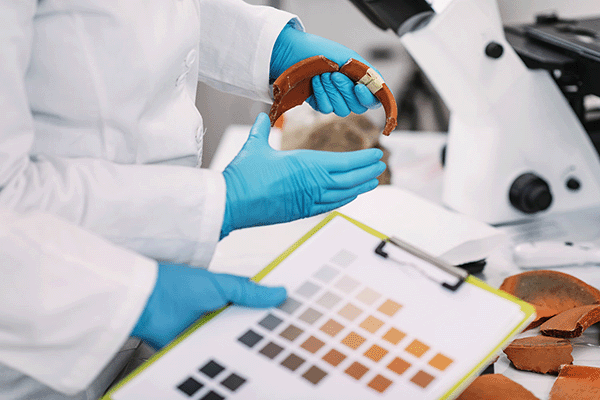

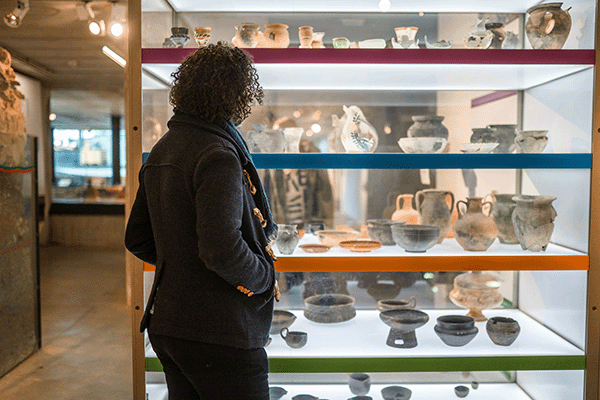





Members from both the RICHeS and AHRC Infrastructure teams recently visited the University of Exeter to meet the team delivering the Biocultural Heritage Information in a Virtual Environment (Biocultural HIVE). This collections investment, led by Professor Catriona Mckenzie, is enhancing infrastructure for biocultural heritage including ancient human remains, animals and plants. The team are improving both physical and digital access to research collections and data.
Building for physical and digital access
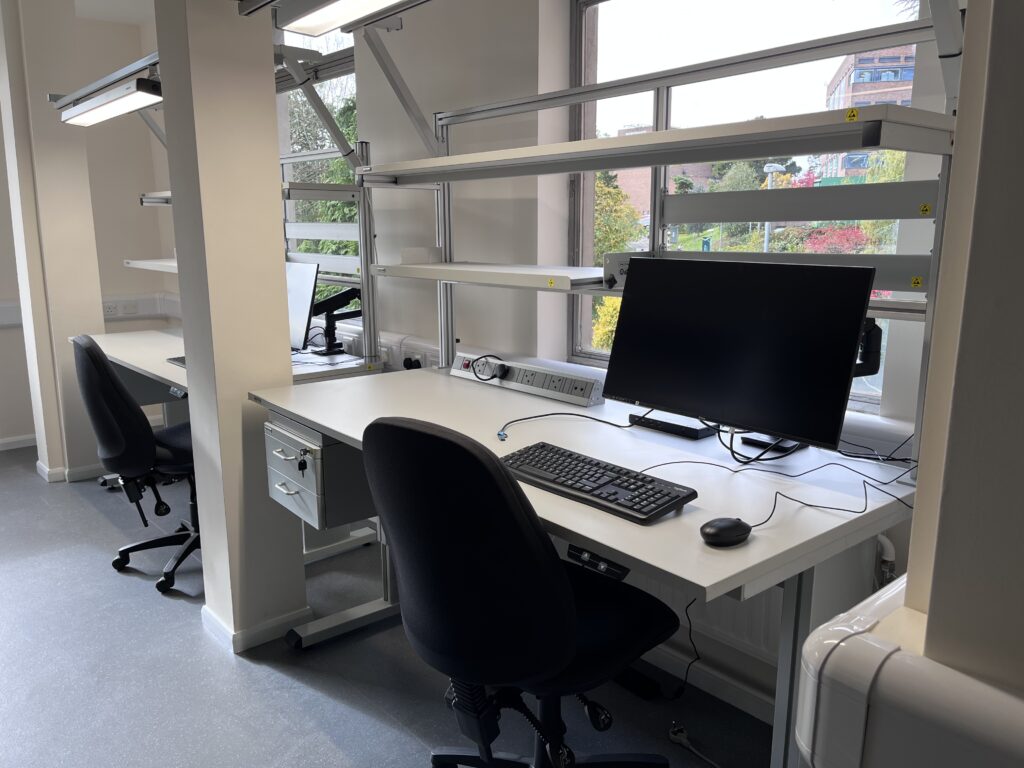
The enhancements at the University of Exeter include a newly completed laboratory space designed to improve researcher access, and environmentally controlled storage for collections. Alongside the RICHeS investment in storage for the growing collections, the University of Exeter has committed match funding for the improvement of the management of the zooarchaeological collections, increasing the range of collections that will be accessible to researchers.
The Biocultural HIVE will contribute to preservation efforts in response to climate change and the associated threats to landscapes and biocultural heritage, ensuring the effective long-term curation of this evidence of human interactions with the natural world. Reflecting the importance of sustainability, the collections management system that is being utilised is also taking a sustainable route via Amazon Web Services (AWS) and the work has been raised as a flagship AWS project for the University of Exeter.
Sustained investment in heritage science data
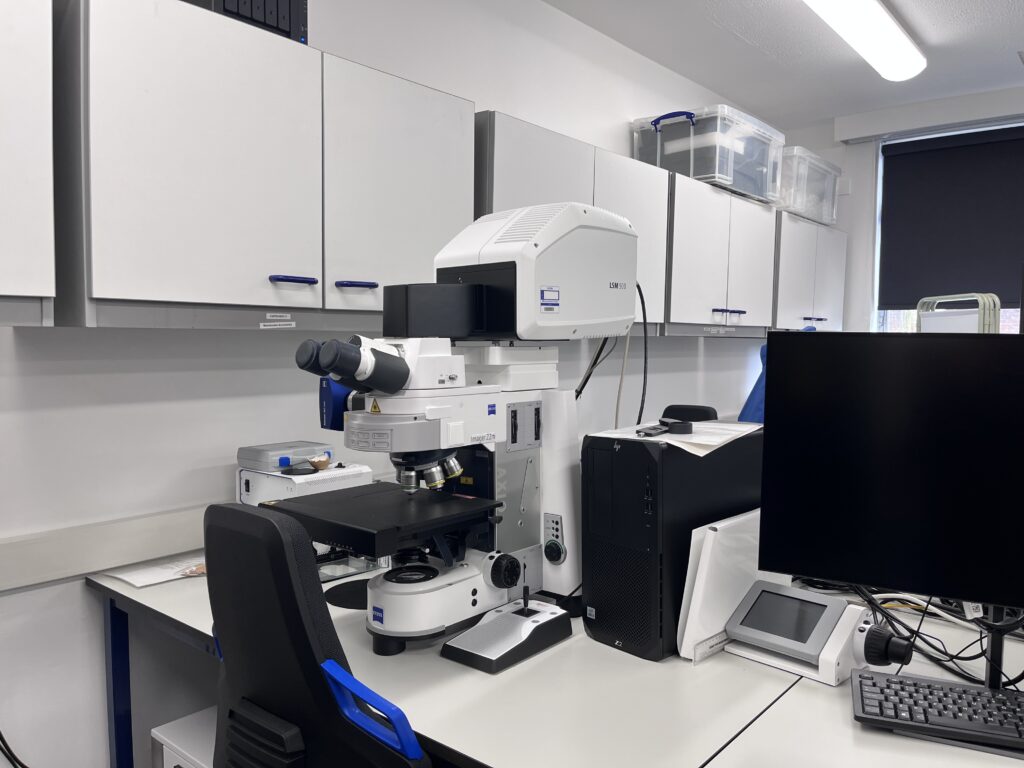
This visit also presented a valuable opportunity to visit the SHArD (Science, Heritage & Archaeology Digital) 3D Laboratory that was funded through the Arts and Humanities Research Council Creative Research Capability (CResCa) fund. This facility includes fixed and mobile equipment and focuses on the acquisition and analysis of 3D data in heritage science and serves as a state-of-the-art-facility for training. The expertise developed through this investment is pivotal to the Biocultural HIVE, and the RICHeS programme is committed to strengthening the impact of AHRC investment through sustained investment in heritage science and conservation. We are also delighted that this facility is included in the new HSDS Catalogue of Services.
Professor Catriona Mckenzie shares:
“We are delighted to have been awarded funding as part of the AHRC RICHeS Programme for Biocultural HIVE (Biocultural Heritage Information in a Virtual Environment). This programme of works includes a new, state-of-the-art facility at the University of Exeter that provides secure, environmentally controlled physical storage, a new laboratory, and an open-access digital database for biocultural collections. This significant investment is transformational and enables us to support access from across the heritage science community to nationally significant collections.”