


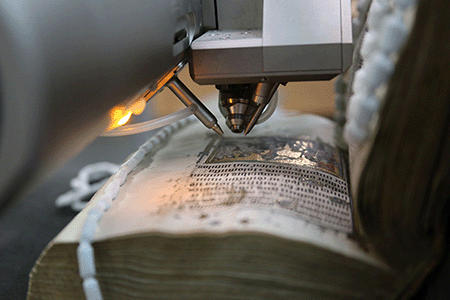
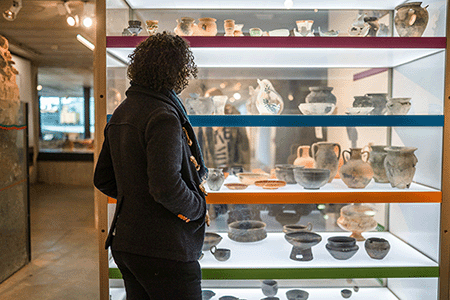

“The RICHeS facility at the University of Bradford is an invaluable resource to Submerged Landscape Archaeologists. It provides us access to world leading, innovative, highly mobile technologies that allow us to collaborate globally to tackle some of the biggest questions in this emerging field of archaeological science.”
Dr Simon Fitch, University of Bradford (UKRI Future Leader Fellow)
Context and challenge
In Spring 2026, researchers undertook innovative fieldwork to identify underwater archaeological sites in Lake Ogawara, Japan, an area associated with some of the earliest pottery in the world. The landscape is thought to contain submerged evidence of human activity dating back more than 12,000 years, including archaeological remains now hidden beneath the lakebed and inaccessible through conventional excavation techniques. Local fishermen have reported recovering pottery fragments in their catches, suggesting that significant prehistoric sites may lie preserved beneath the lake and highlighting its rich potential for understanding these early pottery-making communities.
The case study demonstrates the value of international research partnerships, strengthening collaboration between the University of Bradford, SOKENDAI University in Kyoto and the Research Institute for Humanities and Nature (RIHN – Japan).
Investment in action
The RICHeS-funded From Land to Sea facility at the University of Bradford focusses on the use of emerging mobile technologies to investigate archaeological landscapes that are at risk but hard to reach. Access to this facility enabled researchers to deploy specialist survey technologies in an international setting, allowing them to investigate the submerged archaeological landscapes.
This case study combined RICHeS-enabled technologies with UKRI Future Leaders Fellowship expertise to open up new opportunities for investigating hard to reach cultural heritage worldwide, by deploying two complementary advanced technologies from a small fishing vessel.
Innovative methods
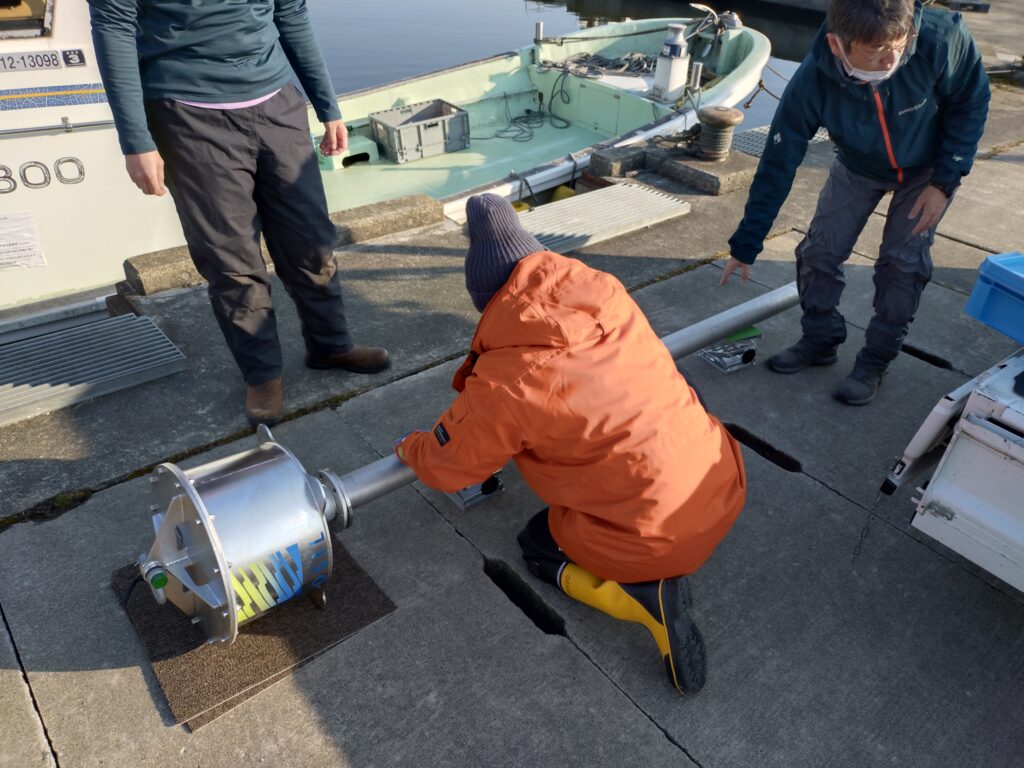
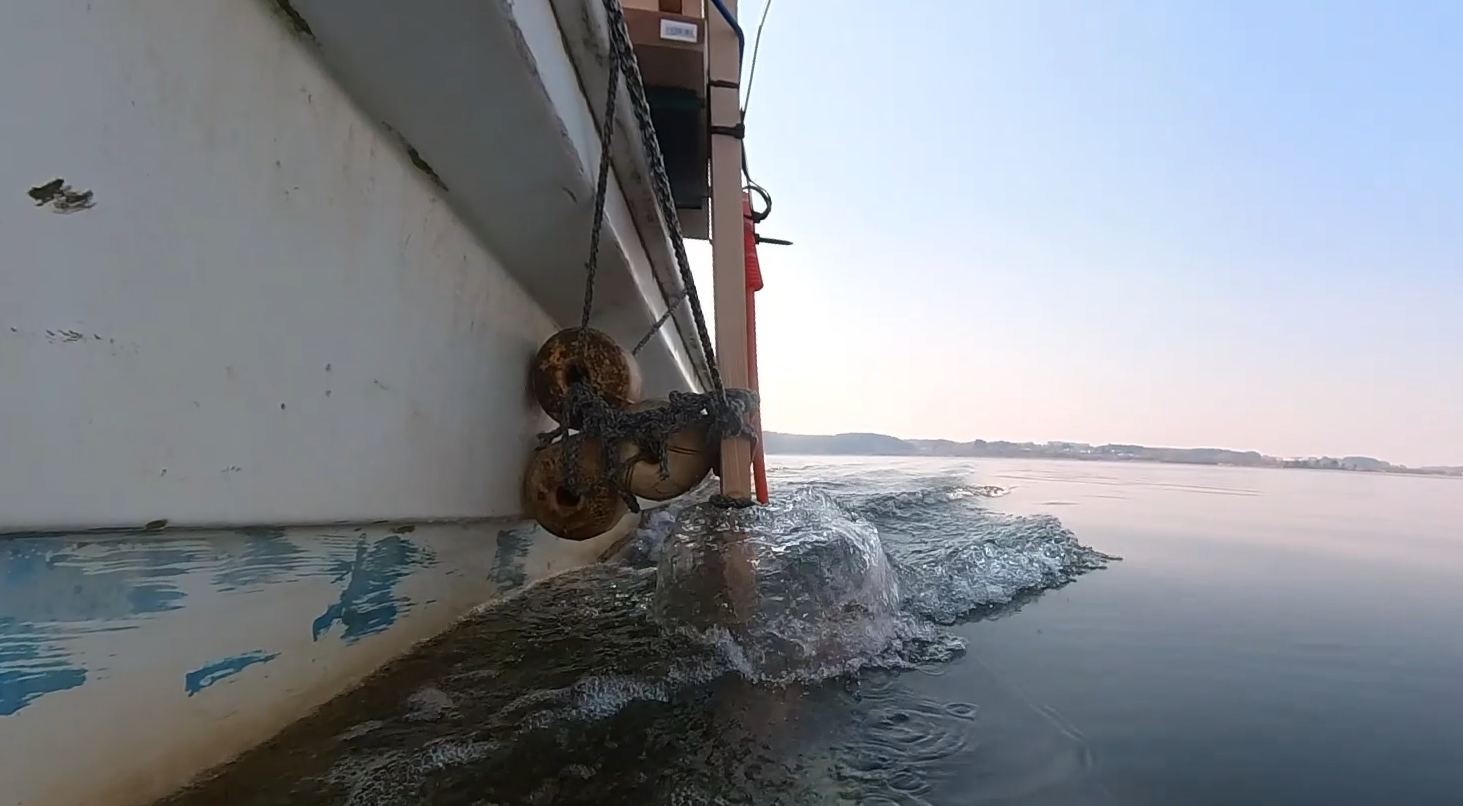
The research combined advanced underwater imaging with sediment coring techniques to identify buried archaeological features and understand more about the lakebed. The Parametric Echo Sounder was specifically designed for the facility by Innomar and having been trialled locally, this research provided an opportunity to test capabilities in non-European environmental conditions. This technology uses sound waves to locate structures through the water. It was used alongside a OSIL Mini Vibrocorer which took sediment cores from the lakebed.
The combined approach demonstrated that underwater survey of archaeological sites and landscapes and the recovery of sediment through coring can be conducted from a small boat in shallow water, opening new areas for study across globally threatened submerged landscapes.
Unlocking outcomes
Building on the five underwater archaeological sites already recorded within Lake Ogawara, the fieldwork investigated sedimentary conditions beneath the lakebed and identified additional areas where archaeological remains are more likely to have been preserved. These findings provide an important evidence base for targeting future research, improving the protection of underwater heritage, and enhancing understanding of early human settlement in the region.
Local archaeologists and fishermen played a key role in this collaboration, which used a fishing boat belonging to the Ogawara Lake Fisheries Cooperative to conduct the survey of the lake. Looking ahead, the data obtained can be used to advance knowledge of both Lake Ogawara’s ancient past and present fisheries. Cores that were obtained are being studied at the Japan Agency for Marine-Earth Science and Technology’s Kochi Core Research Institute (Kochi Prefecture) to investigate changes in the lake’s environment. These provide new and independent data to inform understanding of the health of the clam fisheries, benefitting this traditional industry in the Lake Ogawara area.
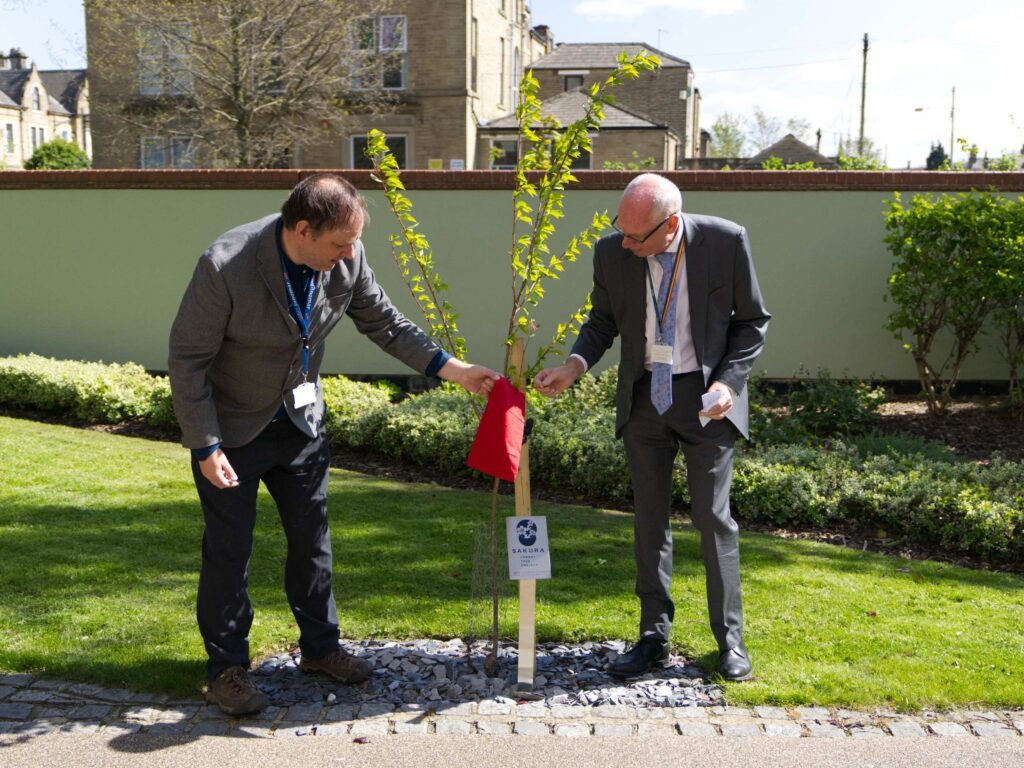
In April 2026, as part of the Sakura Cherry Tree Project, the collaboration between the University of Bradford and SOKENDAI University in Kyoto, was marked by planting of two Japanese cherry trees. These trees are a gift from the people of Japan to the United Kingdom to mark a new chapter of collaboration in which heritage science will play an important role.
This case study also highlights the role of research infrastructure in stimulating economic growth by connecting innovative UK technologies with international demand. Demonstrations of the RICHeS facility’s Vibrocorer and its capabilities during a collaborative visit to the UK by SOKENDAI University staff generated significant interest among the research partners. As a result, the collaboration delivered an early commercial outcome, with SOKENDAI University researchers purchasing an identical Vibrocorer from the UK manufacturer Ocean Scientific International Ltd (OSIL).
Dr Richard Williams from OSIL said:
“As a UK-based SME with a global customer base, word-of-mouth recommendations are invaluable for increasing the visibility of our products, and collaborative projects such as these aid our exposure within different academic institutions and provide us with the opportunity to prove our systems in front of new and varied audiences.”
Together, these outcomes demonstrate how research infrastructure can generate international partnerships, advance heritage knowledge, support local industries, and create commercial opportunities for UK innovation.