



The Coastal and Inland Waters Heritage Science Facility (CIW) RICHeS-funded investment at the University of Southampton is now open for access, supporting researchers, heritage organisations and community partners working across some of the UK’s most vulnerable and difficult-to-record heritage environments.
The facility brings together advanced survey, imaging, remote sensing and data-processing capability for heritage across the land-water interface. Its focus spans coastal, riverine, lacustrine, intertidal, shallow-water and submerged environments, where sites are often difficult to access and exposed to erosion, climate change, and environmental pressure.
Many heritage sites connected to water cannot be investigated effectively through a single method or discipline. A site may extend from dry land into the intertidal zone, sit beneath shallow water, be affected by changing tides or visibility, or require survey approaches that combine landscape, environmental and underwater data. CIW responds to this challenge by integrating terrestrial, aerial, surface and underwater methods within a single accessible facility that will enable better understanding and protection of vulnerable heritage sites.
Enabling access
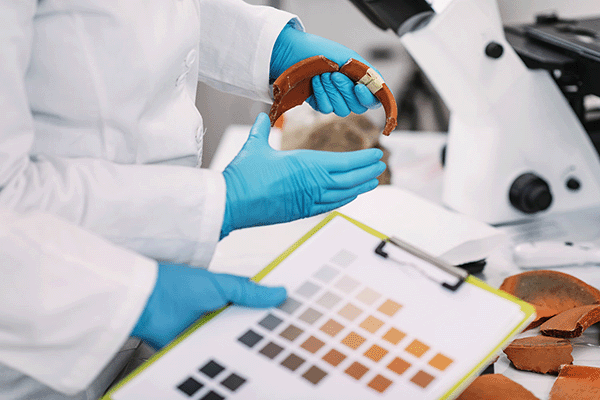
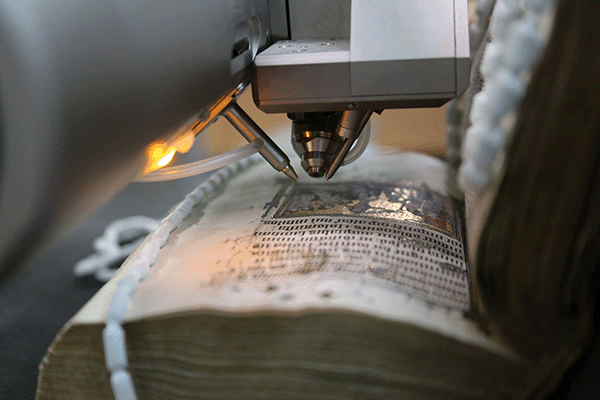
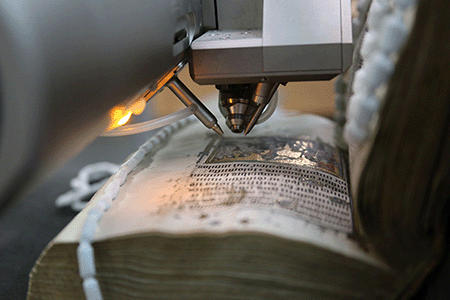
RICHeS investment has strengthened the University of Southampton’s capacity to support research from early scoping and survey design through to data capture, processing, visualisation and archiving. The facility can support users through aerial, underwater or geophysical surveys, photogrammetry, terrestrial laser scanning, lab-based object imaging and specialist data workflows.
This integrated capability allows CIW to support research across multiple scales, from individual objects to maritime infrastructure, submerged sites or landscapes and wider coastal or inland water systems. It is particularly well placed to support work that requires multiple complementary methods, combines above-water and below-water evidence, or produces outputs for research, conservation, management, public engagement and long-term reuse.
In the first year
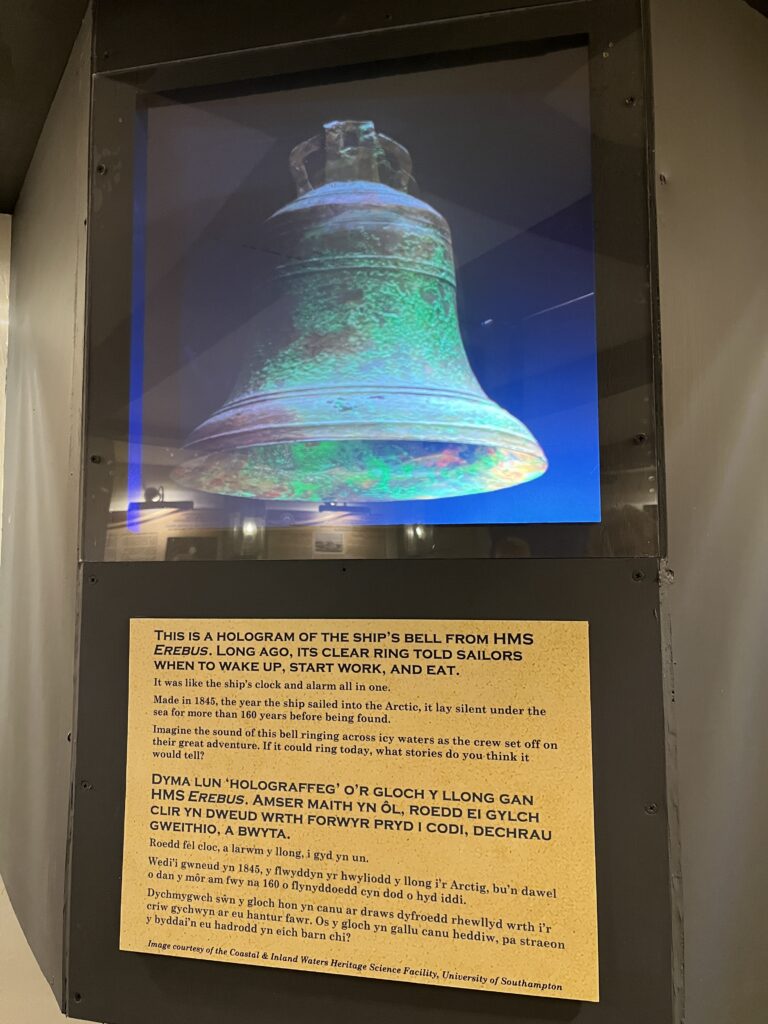
Over the past year, the facility has become active across research, training, partnership development and public engagement. Its work has ranged from digital recording and data capture to student training, stakeholder engagement and sector-facing knowledge exchange. Highlights include recording the recovered ship’s bell from HMS Erebus at the Royal Navy Dockyard. The resulting model was showcased at an exhibition at Pembroke Dock Heritage Centre, providing visitors with a virtual glimpse of the bell, helping to make a fragile and historically significant object accessible to the public.
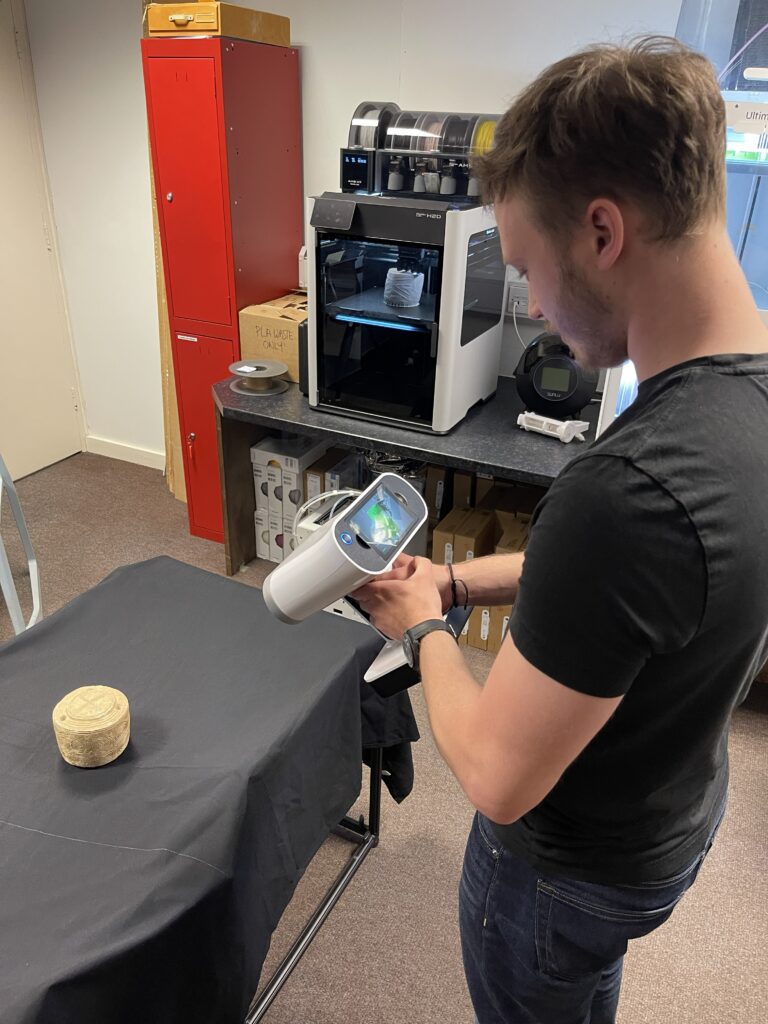
CIW has also supported work on the iconic Mary Rose warship at multiple scales, from photogrammetry and terrestrial laser scanning of the ship in the museum, to multibeam survey of the wreck site along with other wrecks in the Solent. Supporting student research, recorded objects include Palaeolithic hand-axes, Mesolithic timber and a Neolithic chalk ‘drum’. Demonstrating its capabilities and shaping future collaborations, the facility has also hosted lab visits, engaged with internal and external stakeholders, and contributed to forums with heritage organisations, museums and research groups.
Working with CIW
The Coastal and Inland Waters Heritage Science Facility (CIW) can help unlock research that may otherwise be difficult to design, resource or deliver. This includes work on sites that are physically difficult to access, collaborations that require integrated survey approaches, and research questions that depend on combining data across the land-water interface.
CIW is particularly well placed to work with heritage organisations, community groups and researchers who have important questions about coastal and inland water heritage but may not have direct access to the necessary equipment, technical workflows or specialist support.
The facility welcomes informal conversations with prospective users interested in coastal, inland water, intertidal, submerged or otherwise difficult-to-access heritage. The team are happy to arrange visits to the lab to meet, view equipment and explore research ideas.
Please contact: Dr Stephanie Blankshein (s.blankshein@soton.ac.uk)