


The NEMCAS Phase II RICHeS-funded investment at Durham University is now open for access, offering researchers and heritage organisations access to specialist facilities and expertise. NEMCAS (North East Material Culture Analytical Suite) is Durham University’s interdisciplinary heritage science facility and offers a hub in Northeast England within the RICHeS distributed infrastructure. Led through the Department of Archaeology, with connections across Engineering and Biosciences and Durham’s museums, libraries, archives and collections, NEMCAS brings together advanced imaging, microscopy, sample preparation and materials-characterisation facilities to support research across cultural and natural heritage.
Enhanced analytical capabilities
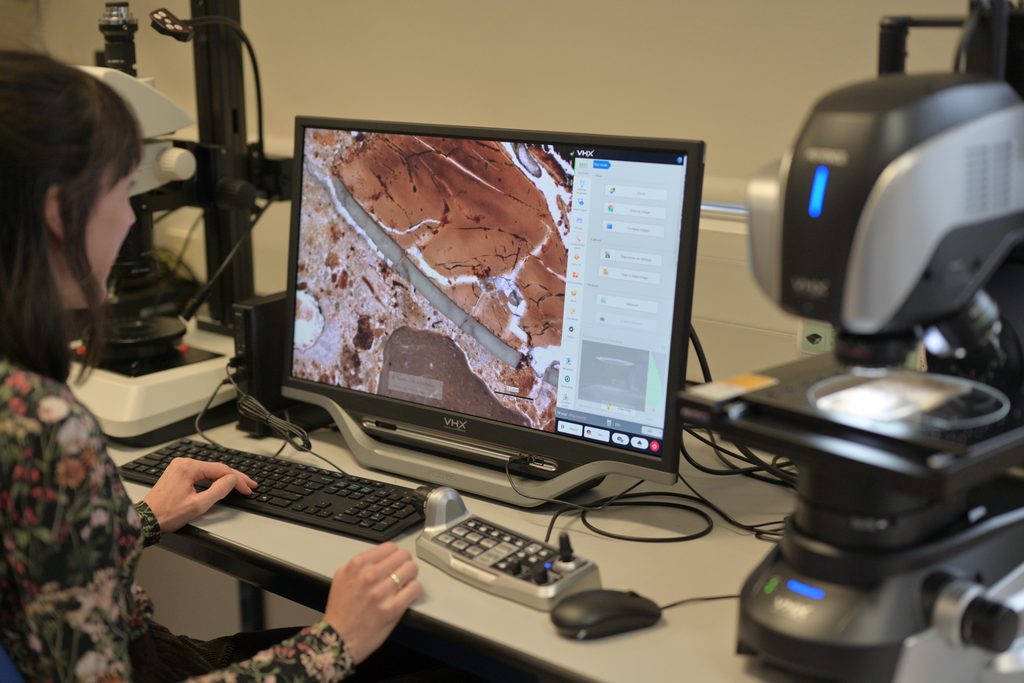
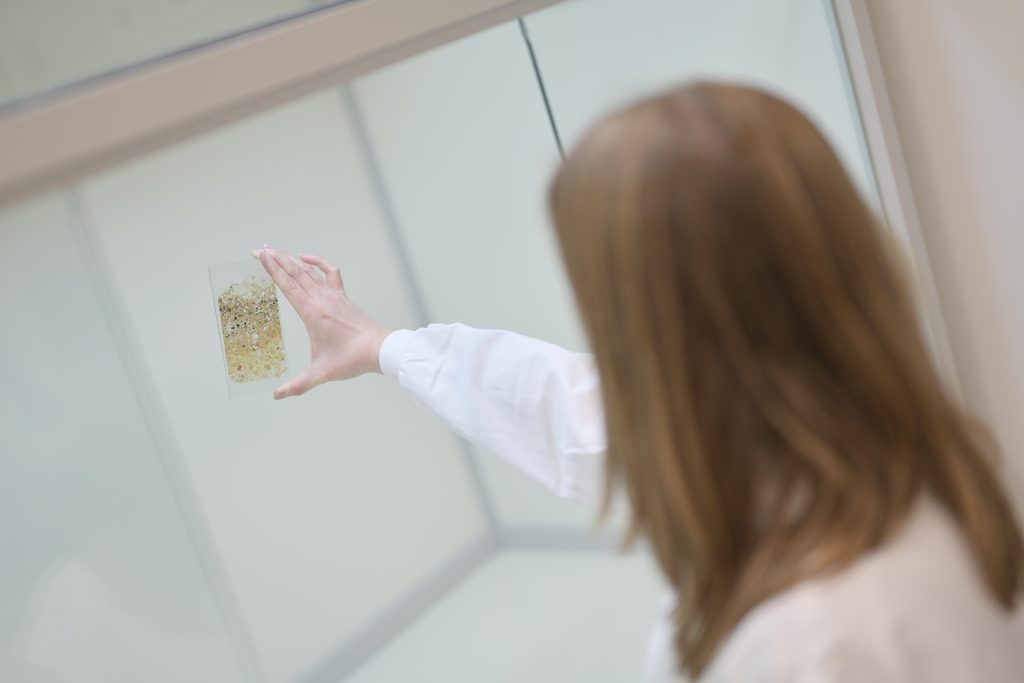
Core capabilities include non-destructive X-ray computed tomography (XR-CT) and digital radiography, alongside soil and sediment thin-section preparation and micromorphology analysis, and associated characterisation techniques. The newly refurbished thin section laboratory has substantially increased capacity for specialist sample preparation, and the team are embedding high-resolution digital scanning and metadata capture within the thin-section workflow so that physical slides are accompanied by reusable digital records which will be deposited with the HSDS.
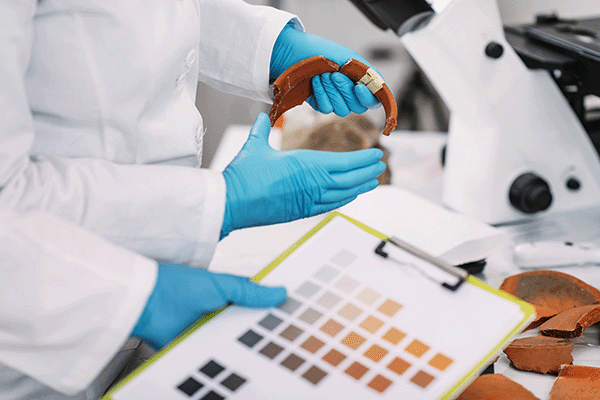
These scientific techniques enable researchers to look inside objects and samples to understand microscopic features, enhancing understanding of archaeological finds and the pasts that shaped them. NEMCAS supports projects from initial feasibility discussions and advice on sampling strategies, through analysis and data management, with access available through collaborative and commissioned routes as well as the RICHeS Access Fund for eligible projects. The NEMCAS expert team can also visit sites to advise on sampling directly in the field.
Further expansion secured
The RICHeS investment has provided the foundation for significant additional investment in heritage science at Durham University. In 2026 the team secured a further £500,000 from the Wolfson Foundation to expand NEMCAS’s analytical capability. This will add and enhance facilities including micro-XRF for high-resolution, non-destructive elemental mapping of thin section slides and artefacts, upgraded SEM-EDS capability, and ultra-high-definition digital microscopy. Additional support from Durham University’s Strategic Research Fund, together with alignment with the University’s Heritage360 initiative, has enabled the building of a connected ecosystem of facilities and expertise that enhances research, training and access opportunities across the heritage sector.
Building new collaborations
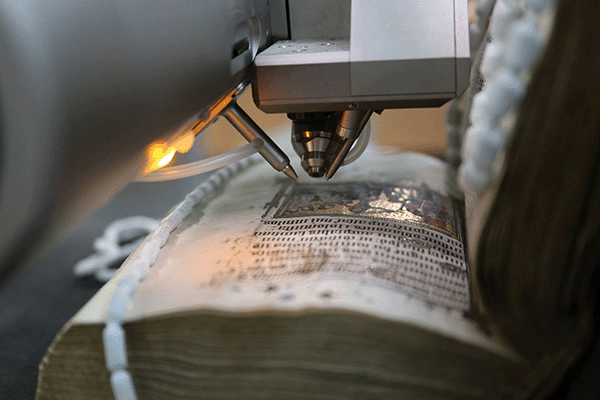
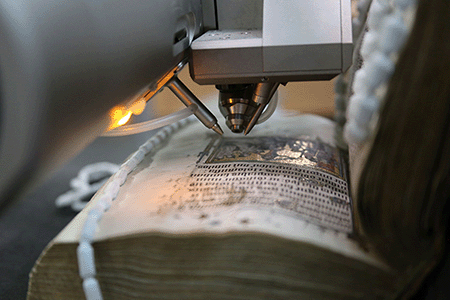
In November 2025, NEMCAS hosted a regional showcase highlighting the available XR-CT facility, bringing together heritage organisations and researchers to see the facilities and discuss opportunities for collaboration. Ongoing work includes interdisciplinary collaborative research on crop cell structures, as well as RICHeS Access Fund supported work on Durham Castle plaster analysis, where XR-CT and thin-section petrography are being combined to investigate the composition, manufacture and stratigraphy of medieval and early modern plaster, informing interpretation and conservation of the UNESCO World Heritage Site. The RICHeS Access Fund is also enabling imaging of medieval binding structures within the Durham Priory Library collection, combining XR-CT with Reflectance Transformation Imaging to identify and digitally document medieval components concealed beneath nineteenth-century rebindings, co-funded by the British Academy Neil Ker Memorial Fund.
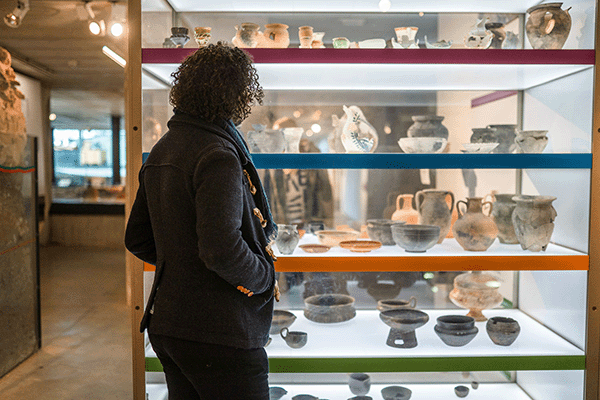
NEMCAS is delighted to be expanding its support for archaeological micromorphology through its new thin-section preparation laboratory, addressing significant demand across the UK and Europe for the specialist production of large-format archaeological thin sections; following commissioning over the summer, the laboratory is now processing its first major sample batch from El Estillín rockshelter (Spain), part of a new collaborative project led by Marta Díaz-Guardamino (Durham University) and Manuel Ángel Rojo-Guerra (Valladolid University). NEMCAS access is also extending into Durham’s Digital Visualisation Laboratory, directed by Marta, with RICHeS users now able to access selected AHRC Capability for Collections (CapCo) funded equipment, including a suite of Artec 3D scanners for high-resolution 3D documentation and visualisation of heritage objects and collections.
The NEMCAS team would be very pleased to hear from researchers, heritage professionals and organisations interested in discussing potential projects. You can connect through the HSDS Catalogue of Services to explore ideas. A further open day event will also follow in Spring 2027, to celebrate the new thin section laboratory being fully operational. This will focus on the expanded facilities and new opportunities for access. Follow NEMCAS on LinkedIn to keep up to date and join the event.