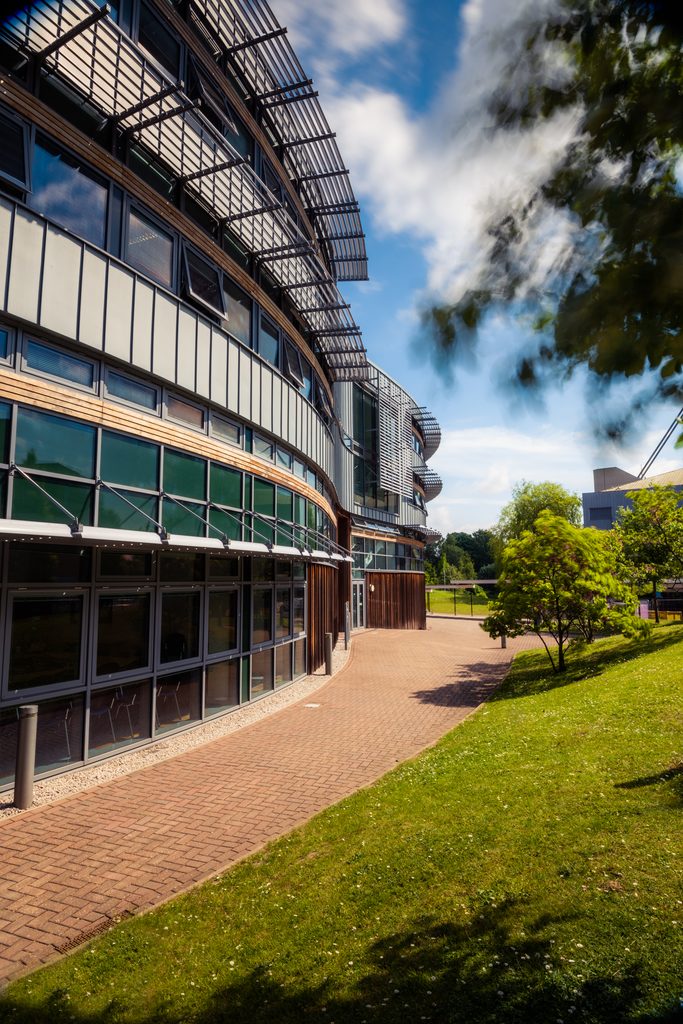
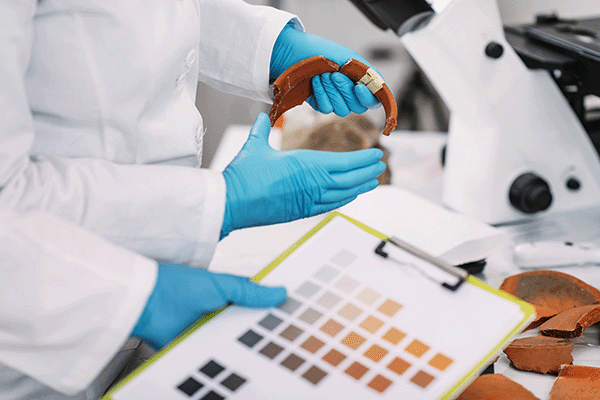
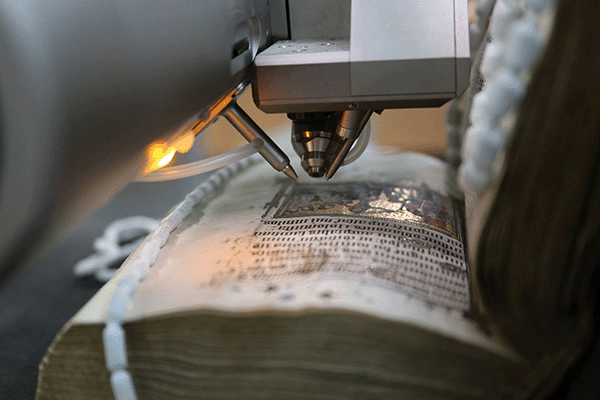



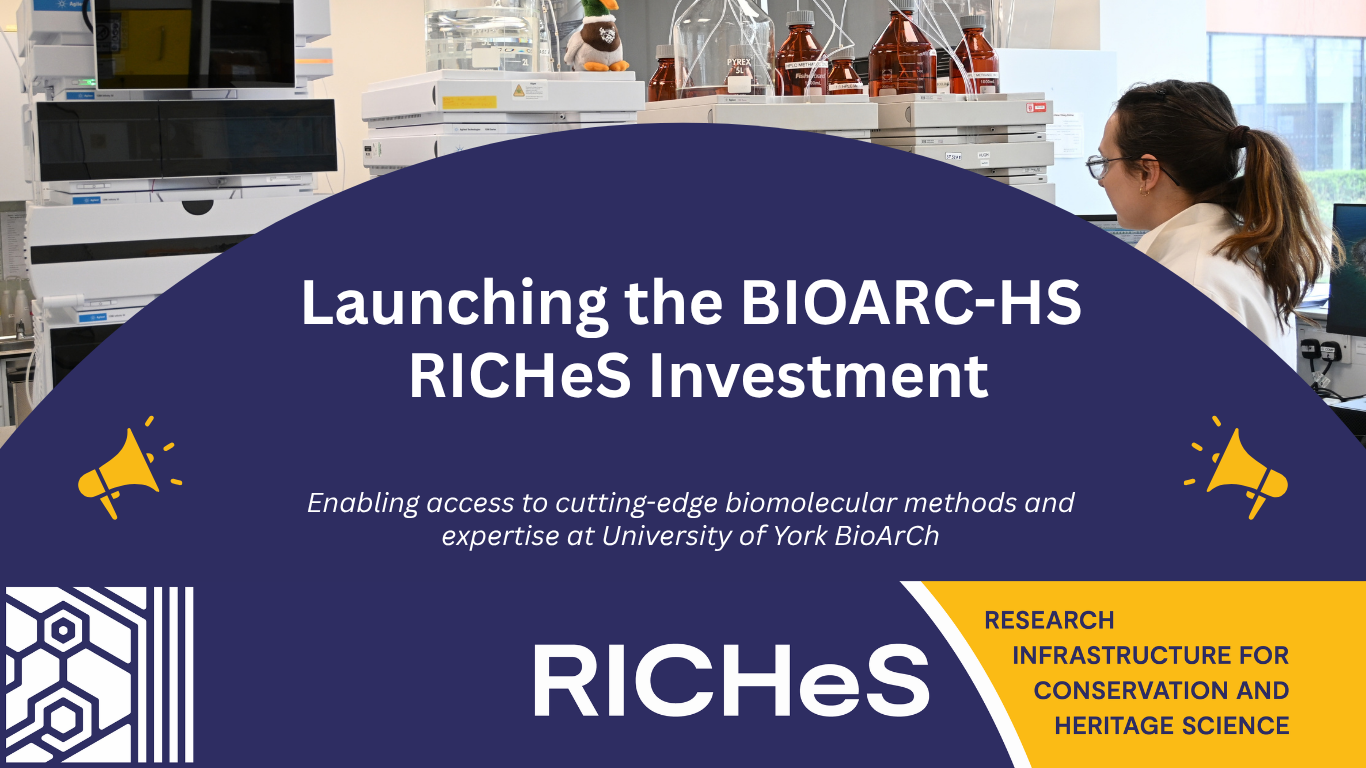
The Biomolecular tools for Archaeological, Conservation and Heritage Science (BIOARC-HS) RICHeS-funded investment at the University of York is now open for access. RICHeS investment has enabled the expansion of existing facilities at the University of York’s BioArCh Centre, including construction of the new BioArCh Clean Laboratories and acquisition of new equipment.
With enhanced capabilities, the BIOARC-HS facility provides access to cutting-edge biomolecular methods in heritage science, including ancient DNA, palaeoproteomics, amino acid racemization analysis, archaeological chemistry, lipidomics and stable isotope analysis. Access to these specialist bioarchaeological techniques will help meet the growing demand from the heritage science community across the UK, enabling diverse research projects for large-scale analysis of archaeological remains, archival and museum specimens.
Advancing analytical capabilities
Construction of the RICHeS-funded new BioArCh Clean Laboratories is now complete, providing contamination-controlled facilities for researchers. This modular cleanroom system has been designed to meet ISO 7 cleanliness standards for the extraction and processing of ancient DNA, proteins and metabolites, and provides a highly controlled space to isolate biomolecules from degraded samples without introducing contamination from laboratory users and other specimens. The lab has been fitted with state-of-the-art sample preparation equipment, including a new Opentrons Flex liquid handling robot which will automate DNA library builds, increasing sample throughput and capacity.
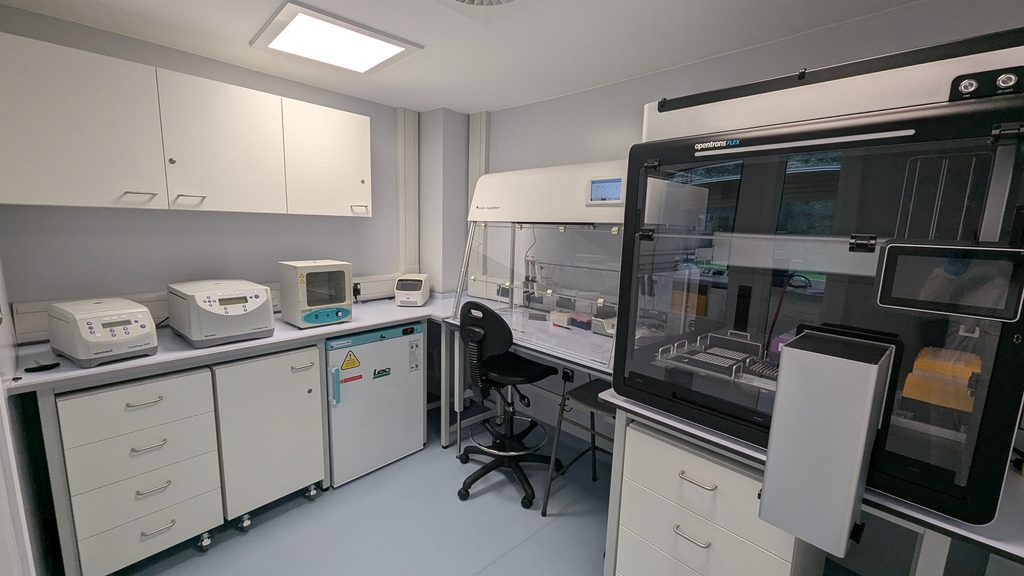
Automation and equipment have also been upgraded to improve the efficiency of sample preparation for mass spectrometry (MS), an analytical technique to enable the identification and measurement of molecules. Previously, in collaboration with the Institute of Safe Autonomy and YorRobots, the Opentrons OT-2 pipetting robot was developed to improve the efficiency of ZooMS (Zooarchaeology by Mass Spectrometry) preparation. Building on this, the purchase of additional RICHeS-funded modules further supports a reduction in sample preparation time. This allows for the simultaneous preparation of hundreds of bone fragment samples for protein identification by MALDI-MS and LC-MS/MS.
Lipid extraction has also been automated by purchasing equipment for rapid microwave extraction and an autosampler capable of deriving extracts prior to analysis. This has been fitted on a new gas chromatograph which has been coupled to a previously redundant mass spectrometer to provide an instrument dedicated to servicing the wider community.
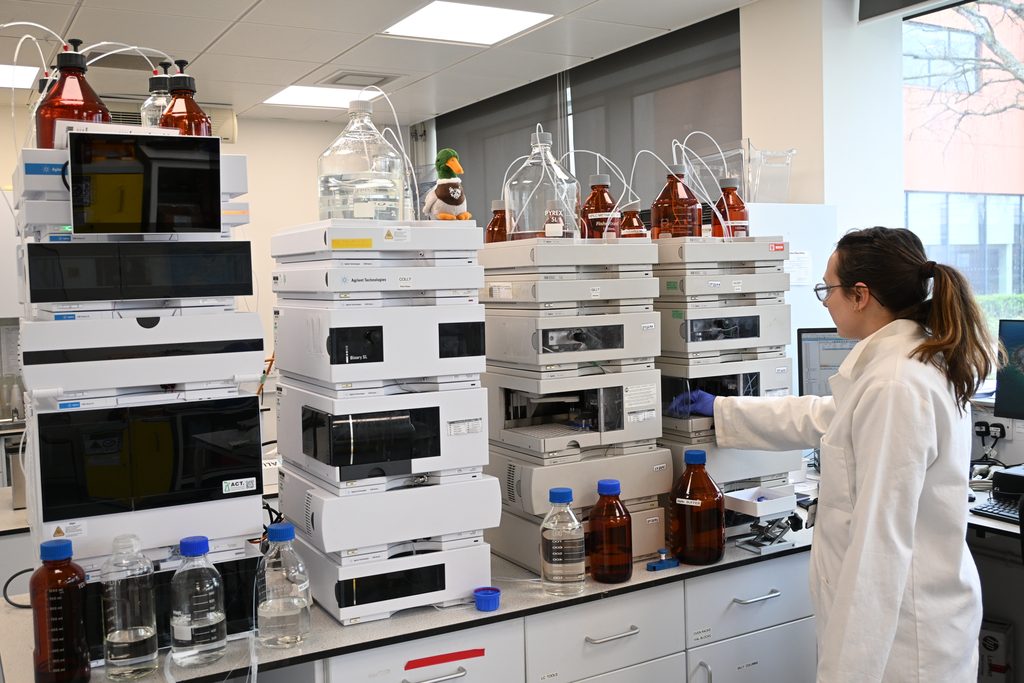
In addition, BioArCh’s amino acid racemization (AAR) offering has been enhanced through the acquisition of a new 1290 Infinity III ultra-high pressure liquid chromatography (UHPLC) instrument. As with the other automation equipment acquired, the UHPLC kit enables a dramatic increase in sample throughput by more efficiently using the capacity of the dedicated technical team.
Enhancing sample and data management
Alongside the laboratory and equipment upgrades, BioArCh has introduced a new Laboratory Information Management System (LIMS) to support the increasing volume and complexity of samples being handled by the facility. The LIMS will be used to manage sample tracking, auditing, storage and archiving, and is linked to a barcoding system to facilitate quick and efficient tracking during lab work and storage and assist with data reporting. It will ensure the smooth running of the facility and management of samples across the different methodological substreams as they are received, processed and returned. Users submitting samples will complete an upgraded sample submission form that links directly to the LIMS. Data generated will be hosted on University of York servers, before being deposited on the Heritage Science Data Service (HSDS) and other specialised repositories where applicable.
Supporting access for the heritage science community
Supported by the RICHeS Access Fund, BIOARC-HS is providing access to these advanced capabilities for researchers from York Museums Trust, the Stirling Smith Art Gallery and Museum and the University of Leicester to enhance knowledge of current collections and past practices. Explore the awardees from the First Call of the RICHeS Access Fund to discover more.
For further information about available services and access opportunities at BIOARC-HS, visit the Heritage Science Data Service (HSDS) Catalogue of Services.
Professor Oliver Craig, Director of BioArCh, said:
“Thanks to the investment from RICHeS we have dramatically increased sample throughput and overall capacity in the BioArCh facility. In practical terms, this means we are able to scale up our biomolecular services and work with a more diverse range of partners – from curators in local museums, fieldwork units, to academics at large institutions. Opening up biomolecular science to UK heritage scientists will help transform the sector, accelerating research and creating new opportunities to engage the public.”